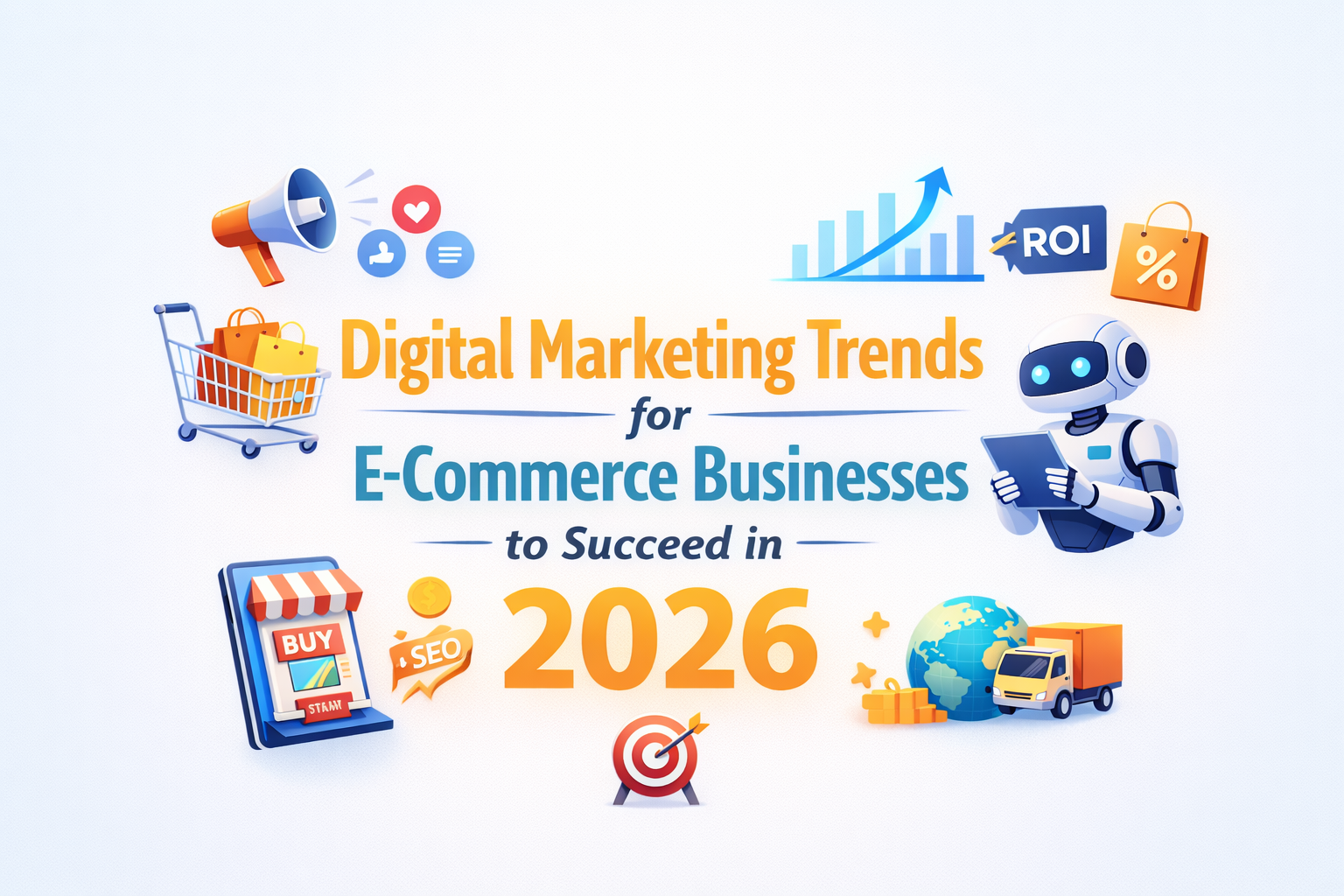
The e-commerce landscape is evolving at an unprecedented pace, and staying ahead of digital marketing trends is no longer optional—it's essential for survival. As we navigate through 2026, businesses that adapt to emerging technologies and shifting consumer behaviors will dominate the market. This comprehensive guide explores the most impactful digital marketing trends that e-commerce businesses must embrace to thrive in today's competitive environment.
AI-Powered Personalization: The New Standard
Artificial intelligence has transformed from a luxury to a necessity in e-commerce marketing. In 2026, customers expect hyper-personalized experiences at every touchpoint. AI algorithms now analyze browsing patterns, purchase history, and real-time behavior to deliver product recommendations that feel almost intuitive.
Smart e-commerce platforms are leveraging AI to create dynamic website experiences where content, product displays, and special offers change based on individual user profiles. This level of personalization significantly boosts conversion rates and customer lifetime value. Businesses that haven't implemented AI-driven personalization are losing ground to competitors who offer seamless, tailored shopping experiences.
Chatbots and virtual shopping assistants have also matured considerably. Today's AI assistants can handle complex queries, understand context, and provide genuine value to customers, making them indispensable for scaling customer service operations without sacrificing quality.
Social Commerce Integration
Social media platforms have evolved into powerful sales channels, and social commerce continues its explosive growth in 2026. Platforms like Instagram, TikTok, and Pinterest now offer seamless in-app purchasing experiences that remove friction from the customer journey.
The key to success lies in creating shoppable content that doesn't feel like traditional advertising. User-generated content, influencer partnerships, and live shopping events are driving significant revenue for brands that understand how to engage their audiences authentically. E-commerce businesses must develop platform-specific strategies that leverage each social network's unique features and demographics.
Live stream shopping, particularly popular among younger demographics, combines entertainment with instant purchasing capabilities. Brands hosting regular live shopping events are building communities while driving sales, creating a win-win scenario that traditional e-commerce can't replicate.
Voice Search Optimization
With smart speakers and voice assistants becoming household staples, voice search optimization has become critical for e-commerce visibility. Consumers are increasingly using voice commands to search for products, compare prices, and make purchases hands-free.
Optimizing for voice search requires a different approach than traditional SEO. Focus on natural language, question-based queries, and long-tail keywords that mirror how people actually speak. Featured snippets and local SEO also play crucial roles in voice search rankings.
E-commerce businesses should ensure their product descriptions, FAQ pages, and content are structured to answer common voice queries. This includes optimizing for "near me" searches and ensuring accurate business information across all platforms.
Augmented Reality Shopping Experiences
Augmented reality (AR) technology has bridged the gap between online and in-store shopping experiences. In 2026, leading e-commerce brands offer AR features that allow customers to visualize products in their own environments before purchasing.
From virtual try-ons for fashion and cosmetics to furniture placement in home decor, AR reduces purchase hesitation and return rates. This technology addresses one of e-commerce's biggest challenges: the inability to physically interact with products before buying.
Implementing AR features may seem complex, but numerous platforms now offer accessible solutions for businesses of all sizes. The investment pays dividends through increased customer confidence and reduced return rates.
Sustainability Marketing
Environmental consciousness has moved from trend to expectation. Modern consumers, especially millennials and Gen Z, actively seek brands that demonstrate genuine commitment to sustainability. E-commerce businesses must communicate their environmental initiatives transparently and authentically.
This includes showcasing sustainable sourcing, eco-friendly packaging, carbon-neutral shipping options, and ethical manufacturing practices. However, consumers are savvy about greenwashing—sustainability claims must be backed by verifiable actions and third-party certifications.
Building a brand narrative around sustainability creates emotional connections with customers who share these values, fostering loyalty that transcends price competition.
Short-Form Video Content Dominance
Short-form video content continues to dominate social media engagement in 2026. Platforms like TikTok, Instagram Reels, and YouTube Shorts have changed how brands communicate with audiences, favoring authentic, entertaining content over polished advertisements.
E-commerce businesses are finding success by creating behind-the-scenes content, product demonstrations, customer testimonials, and educational videos that provide value while subtly promoting products. The key is consistency and understanding platform-specific best practices.
User-generated content campaigns encouraging customers to create videos featuring your products can exponentially increase reach while building social proof. These authentic endorsements carry more weight than traditional advertising.
First-Party Data and Privacy-First Marketing
With increasing privacy regulations and the phasing out of third-party cookies, e-commerce businesses must prioritize first-party data collection. Building direct relationships with customers through email lists, loyalty programs, and account registrations provides valuable data while respecting privacy concerns.
Transparency about data usage and giving customers control over their information builds trust. Businesses that excel at collecting and utilizing first-party data ethically will have significant competitive advantages in targeting and personalization.
Implementing robust customer data platforms (CDPs) helps consolidate information from various touchpoints, creating comprehensive customer profiles that drive more effective marketing campaigns.
Omnichannel Marketing Excellence
Customers expect seamless experiences across all channels in 2026. True omnichannel marketing means consistent messaging, unified customer data, and the ability to start a transaction on one channel and complete it on another without friction.
This requires integrating your e-commerce platform with physical stores (if applicable), social media, email marketing, and customer service channels. Customers should receive the same personalized experience whether they're browsing on mobile, desktop, or interacting via social media.
Investment in technology that enables real-time inventory visibility, unified shopping carts, and cross-channel customer recognition is essential for delivering the seamless experiences modern consumers demand.
Conclusion
Success in e-commerce marketing in 2026 requires embracing technological innovation while maintaining authentic human connections with customers. The trends outlined above aren't isolated tactics but interconnected strategies that work best when implemented holistically.
Businesses that prioritize AI-powered personalization, leverage social commerce, optimize for voice search, implement AR experiences, communicate sustainability efforts, create engaging video content, respect customer privacy, and deliver omnichannel excellence will position themselves for sustained growth.
The digital marketing landscape will continue evolving, but these foundational trends provide a roadmap for e-commerce businesses ready to adapt and thrive in an increasingly competitive marketplace.